Special Vehicle Construction / Emergency Vehicles

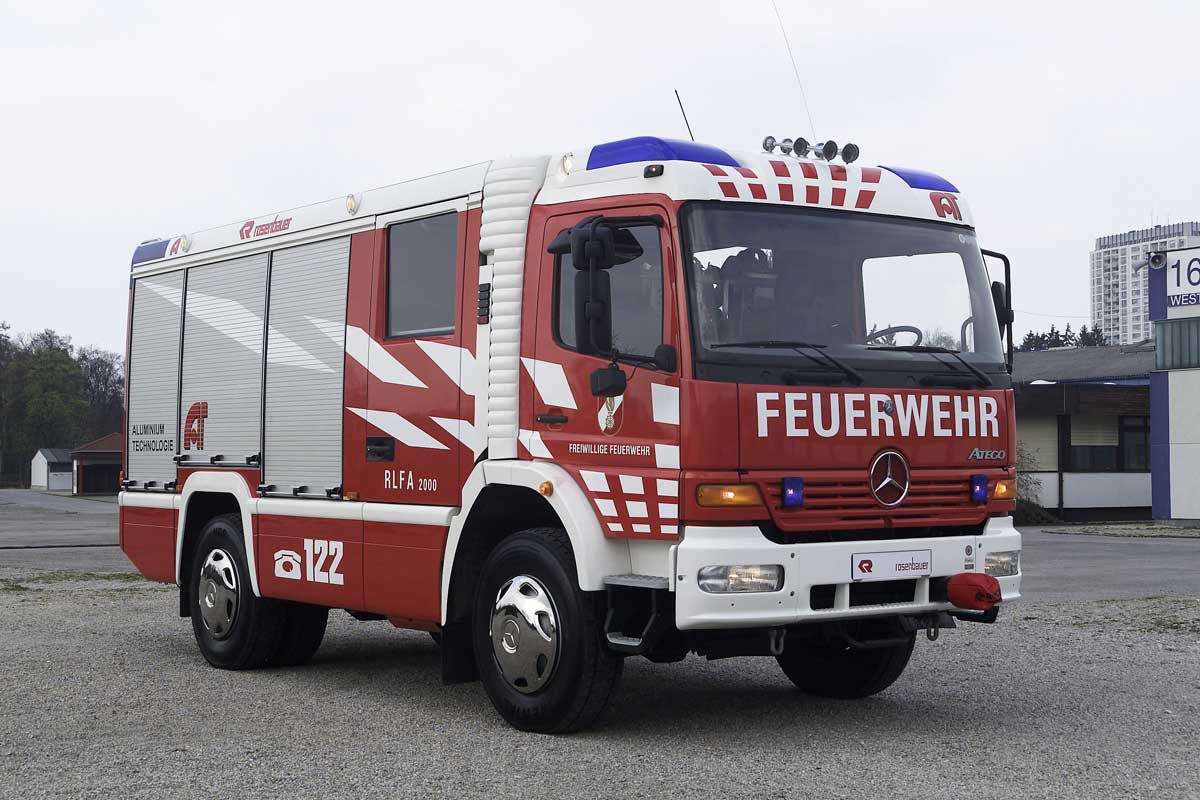
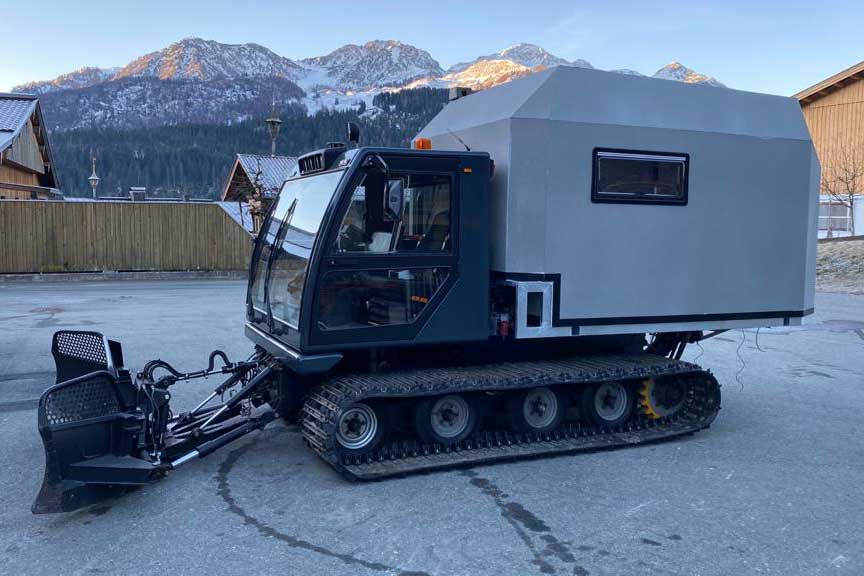
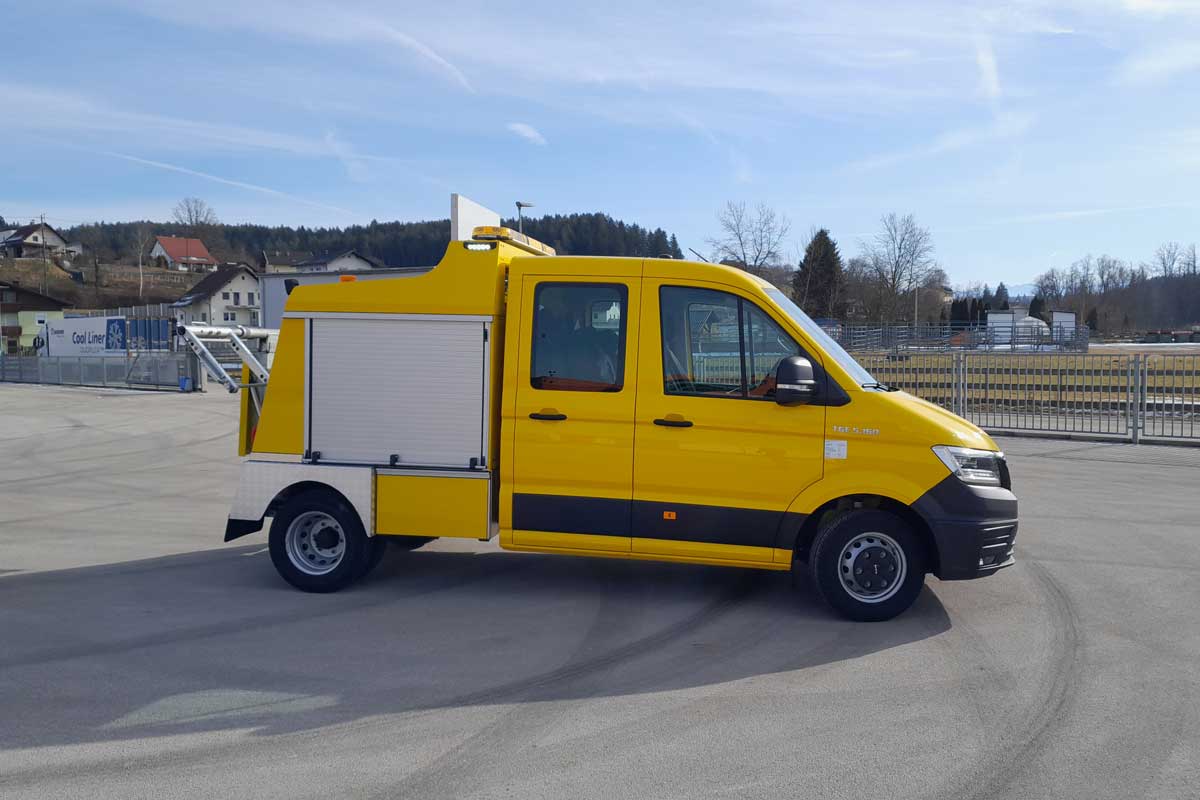
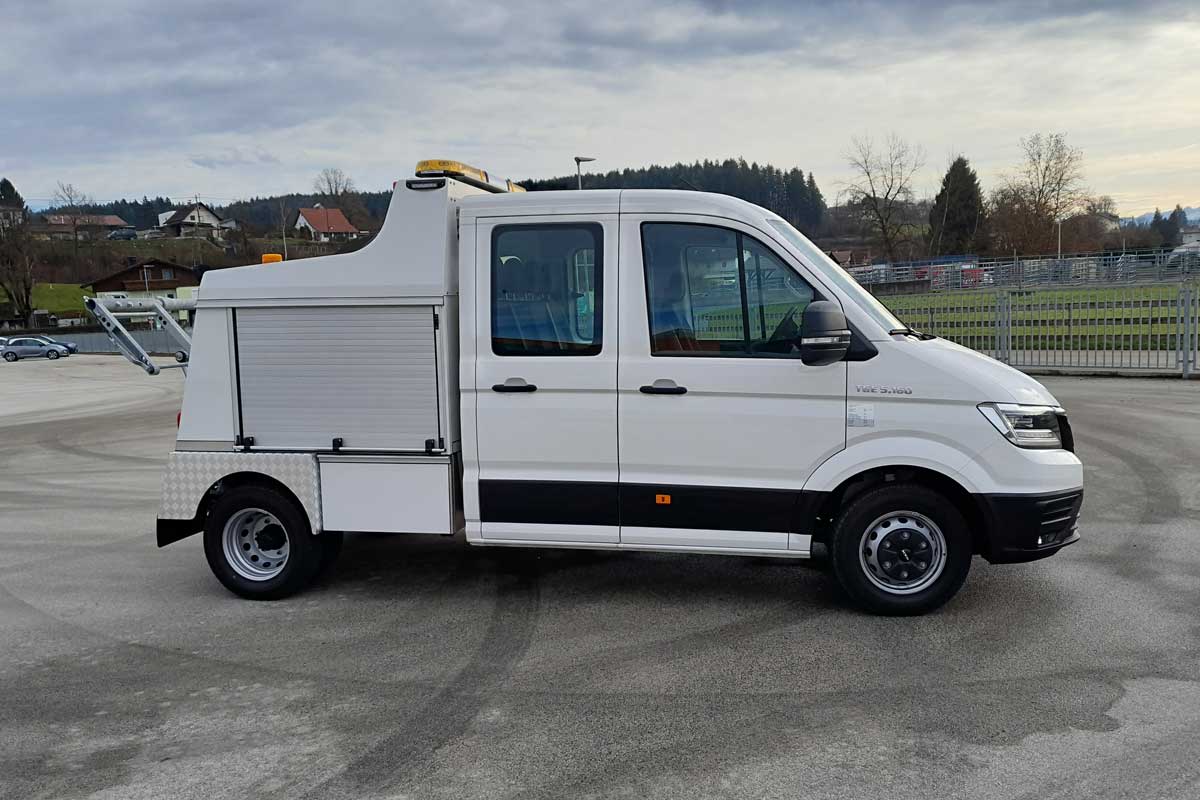
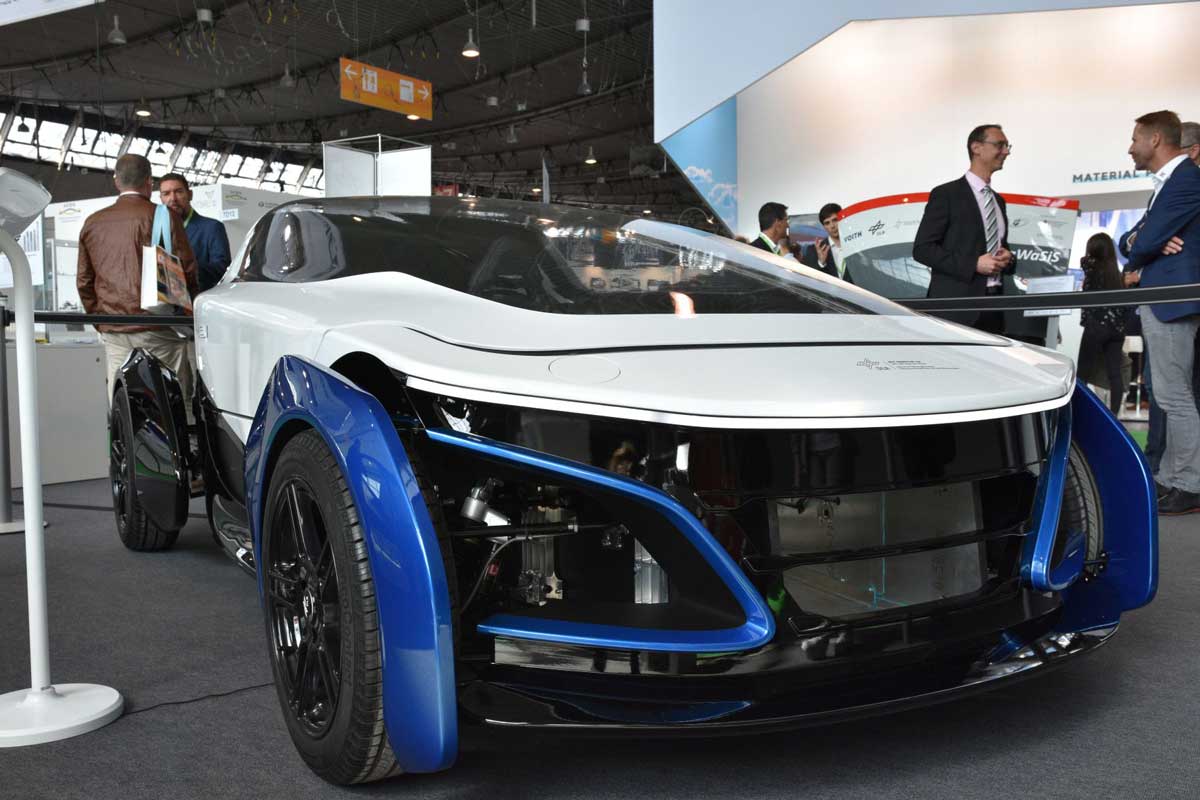
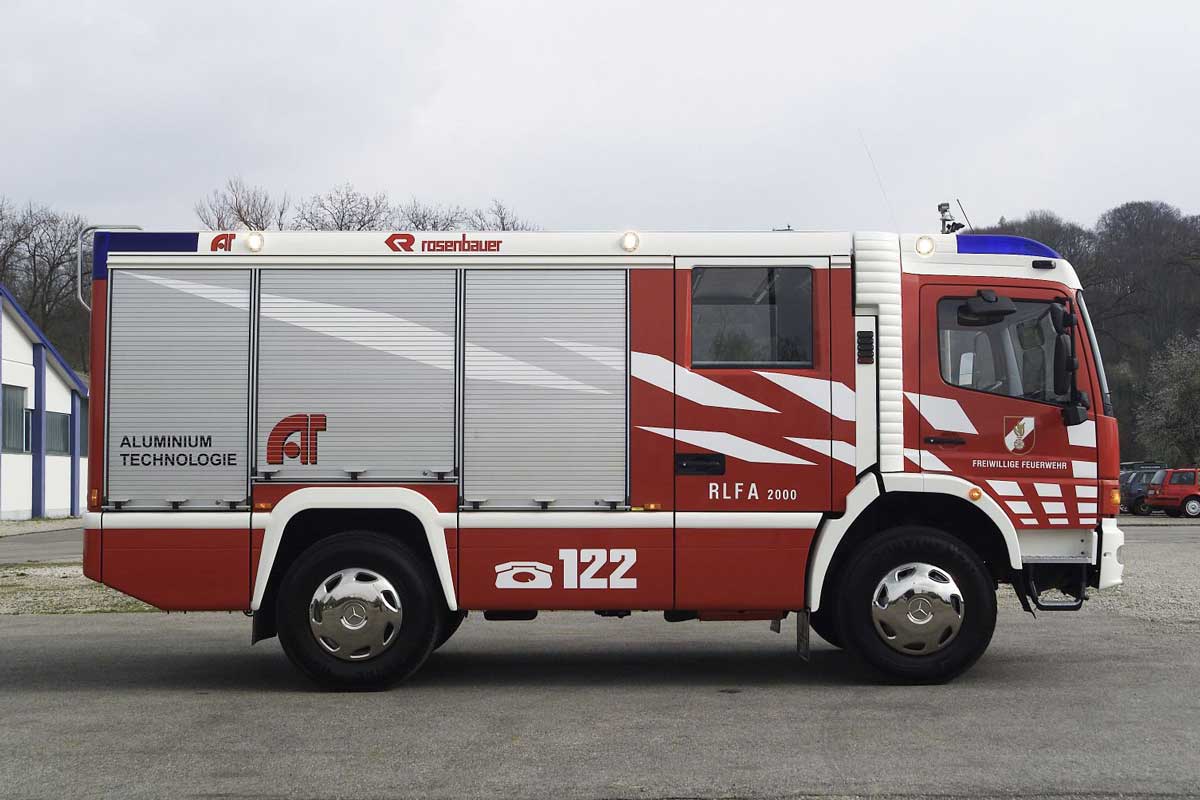
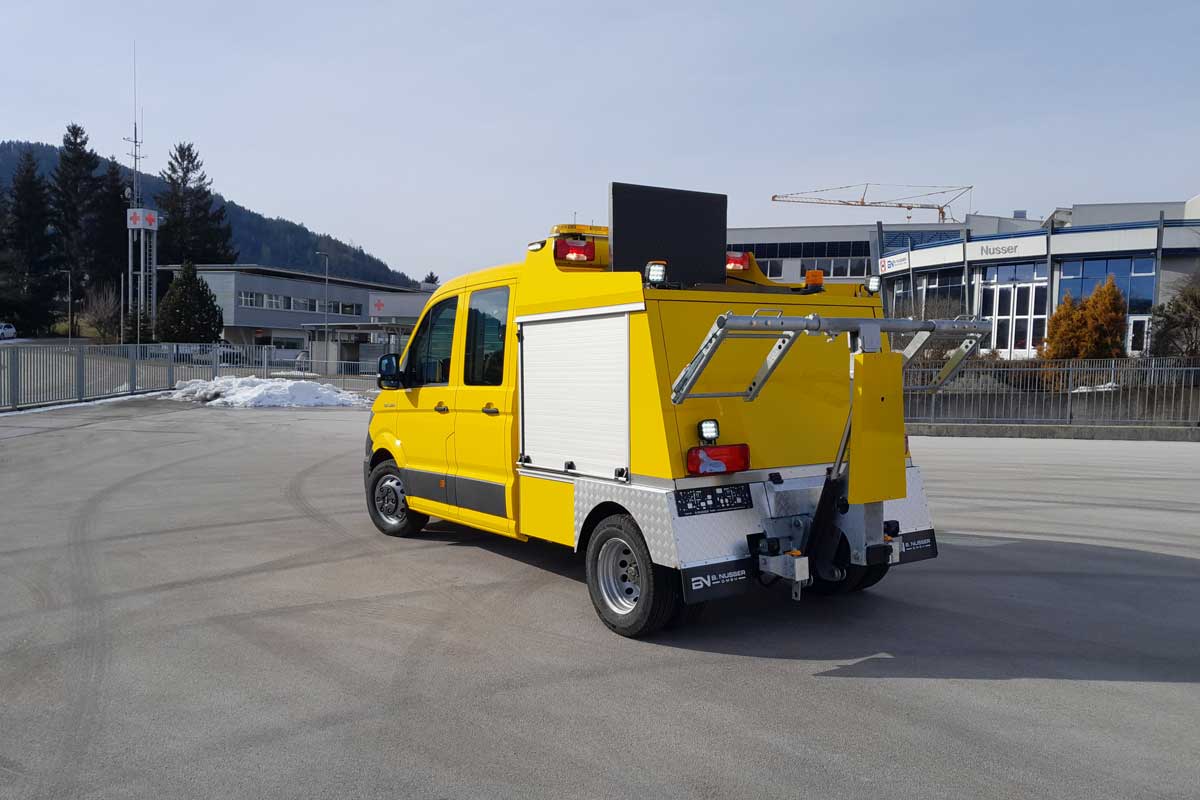
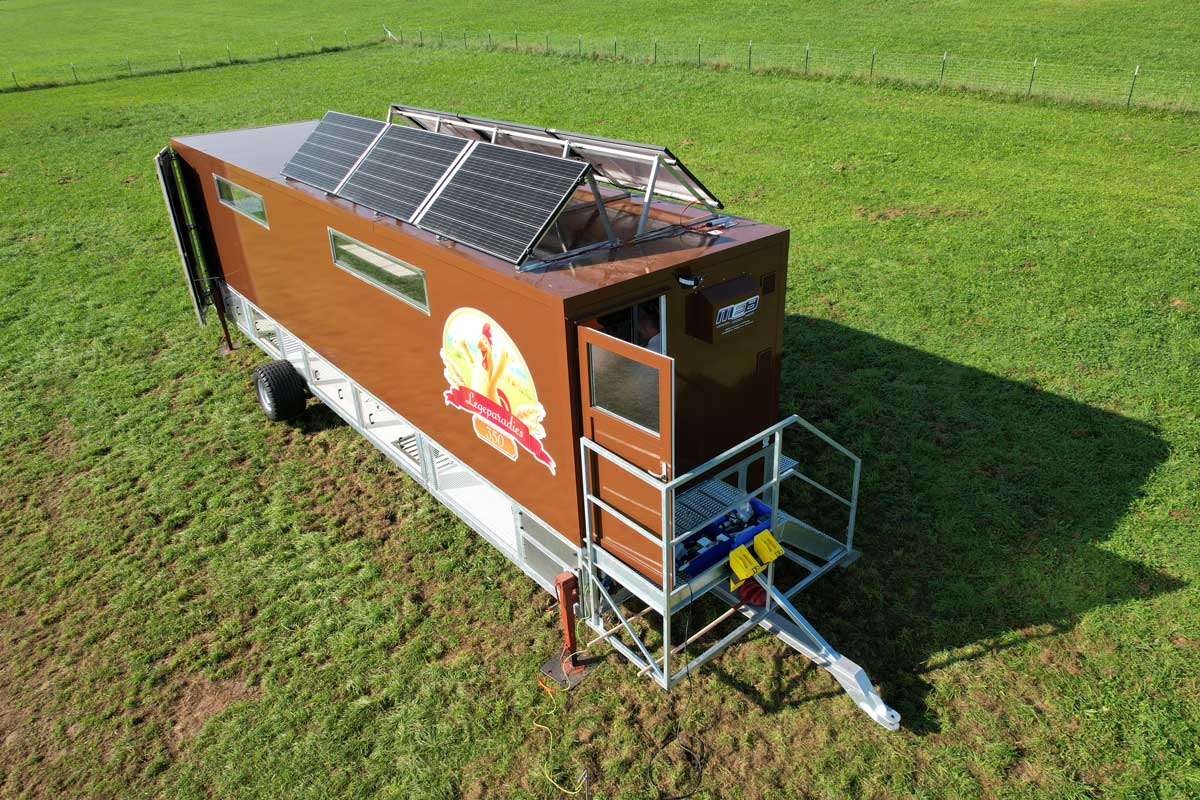
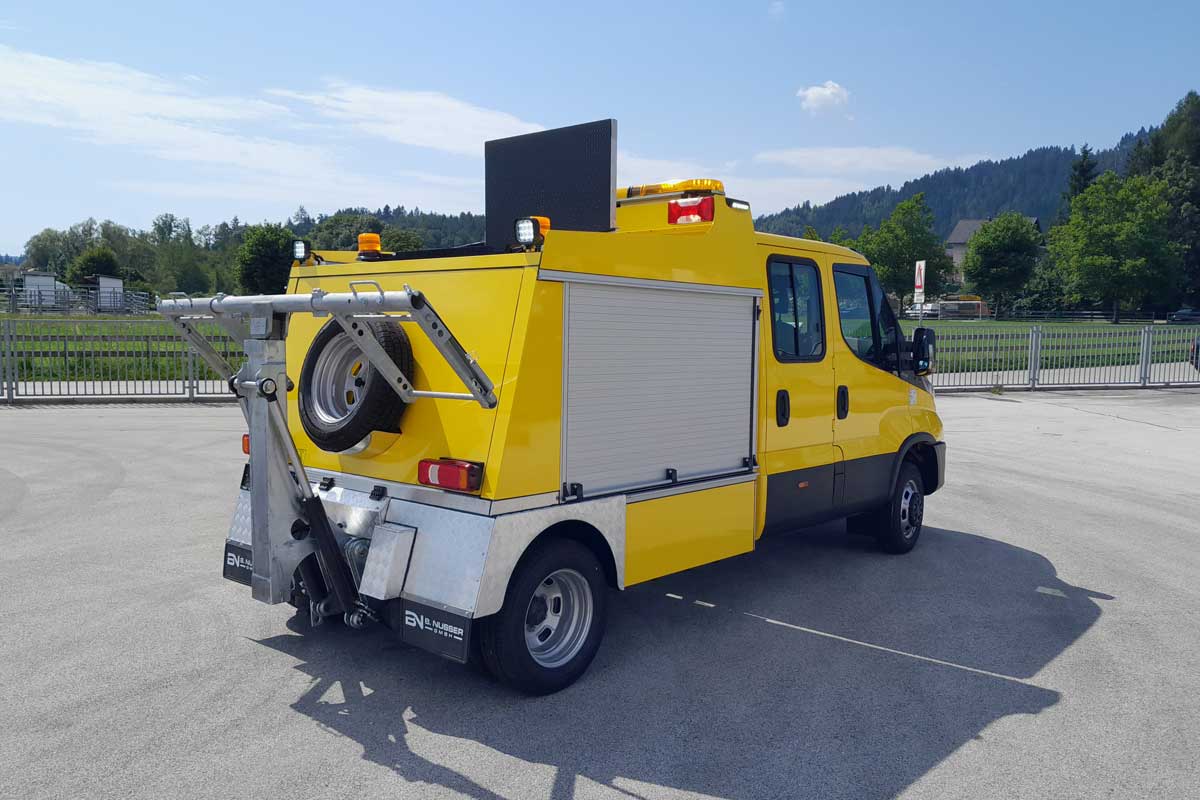
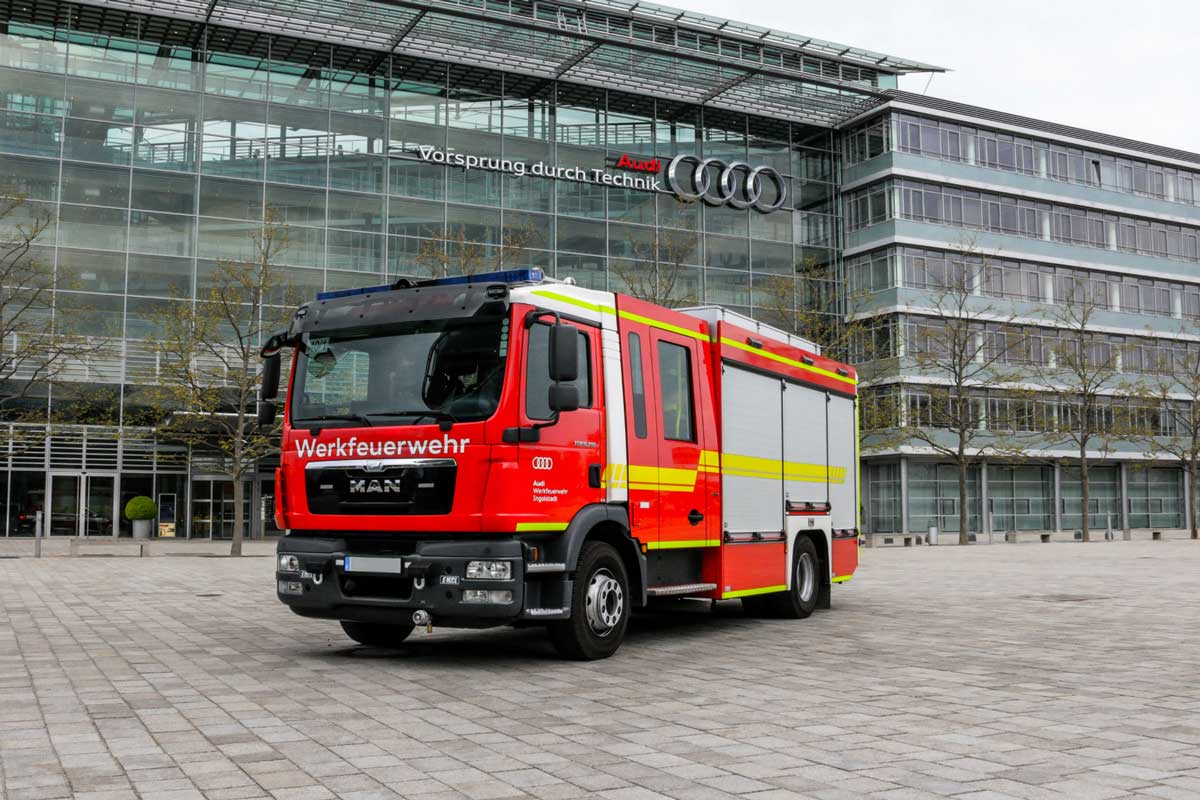
In special-purpose vehicle construction, reliability, structural stability and an optimal strength-to-weight ratio are paramount. This is exactly where our panel solutions come into play: they combine exceptional load-bearing capacity with low dead weight, creating the ideal foundation for emergency vehicles, mobile units and custom-engineered special solutions.

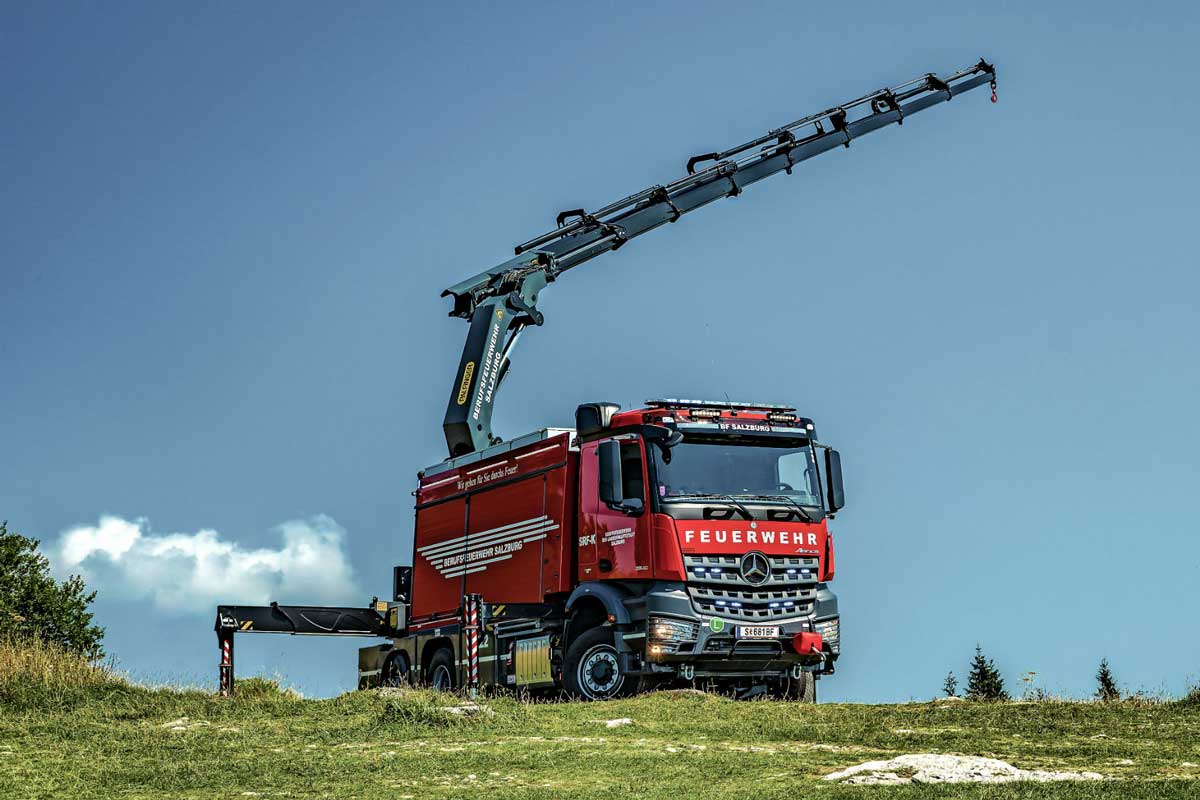
Thanks to their robustness and durability, our panels withstand extreme conditions – whether in daily operation for fire and rescue services, police forces or mobile technical command units. At the same time, their flexible construction enables tailor-made vehicle designs that can be precisely adapted to specific operational requirements.

Our panels enable durable, sustainable and practical vehicle concepts that seamlessly combine safety and efficiency.

Project insights

Creating sustainable innovation together

Frequently asked questions about us and our products

Is Design Composite able to realize customer-specific details and requirements?

Yes. In addition to standardized constructions, individual vehicles can also be custom-designed to meet specific requirements.

Can ready-to-install elements be ordered?

Yes. Thanks to our extensive service facilities, we also supply elements ready to install.

Can plywood panels be replaced by lightweight solutions?

Yes. TOP-air antislip provides a durable, moisture-resistant alternative that reduces weight by approximately 50–60%, depending on the panel thickness.

Are the products circular?

Yes. Our specially developed mono-material elements made of welded thermoplastics (TOP-lite PP, TOP-air PP) are 100% recyclable.

Which bonding methods are used?

Depending on the requirements, we use hot-melt PU adhesive systems, two-component PU adhesives, or directly weld thermoplastic products together.

Can the elements be processed by the customer?

Yes. The panels can be easily cut, drilled, milled, riveted or bonded.

Are GRP surfaces suitable for painting?

Yes, GRP surfaces can be both sprayed and vinyl wrapped.

Why choose composite elements instead of conventional aluminum or wood?

They are up to 70% lighter, corrosion-free and rot-resistant, low-maintenance, and offer excellent bending and compressive stiffness.

What is Design Composite’s approach to sustainability and circularity?

Sustainability is part of our DNA.
We focus on resource-efficient alternatives, already use 95% renewable energy (Scope 1 & 2), develop recyclable mono-material composite elements, and continuously increase the share of recycled materials in our products.

What are lightweight elements used for?

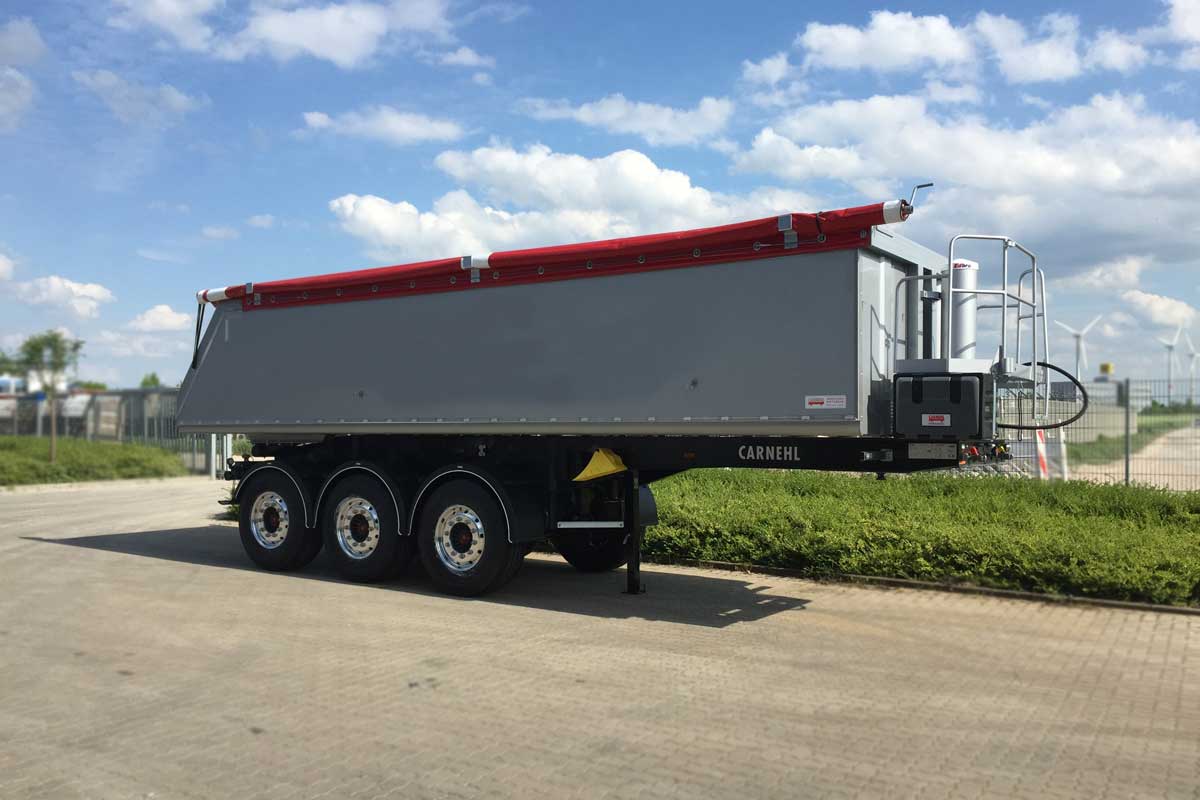
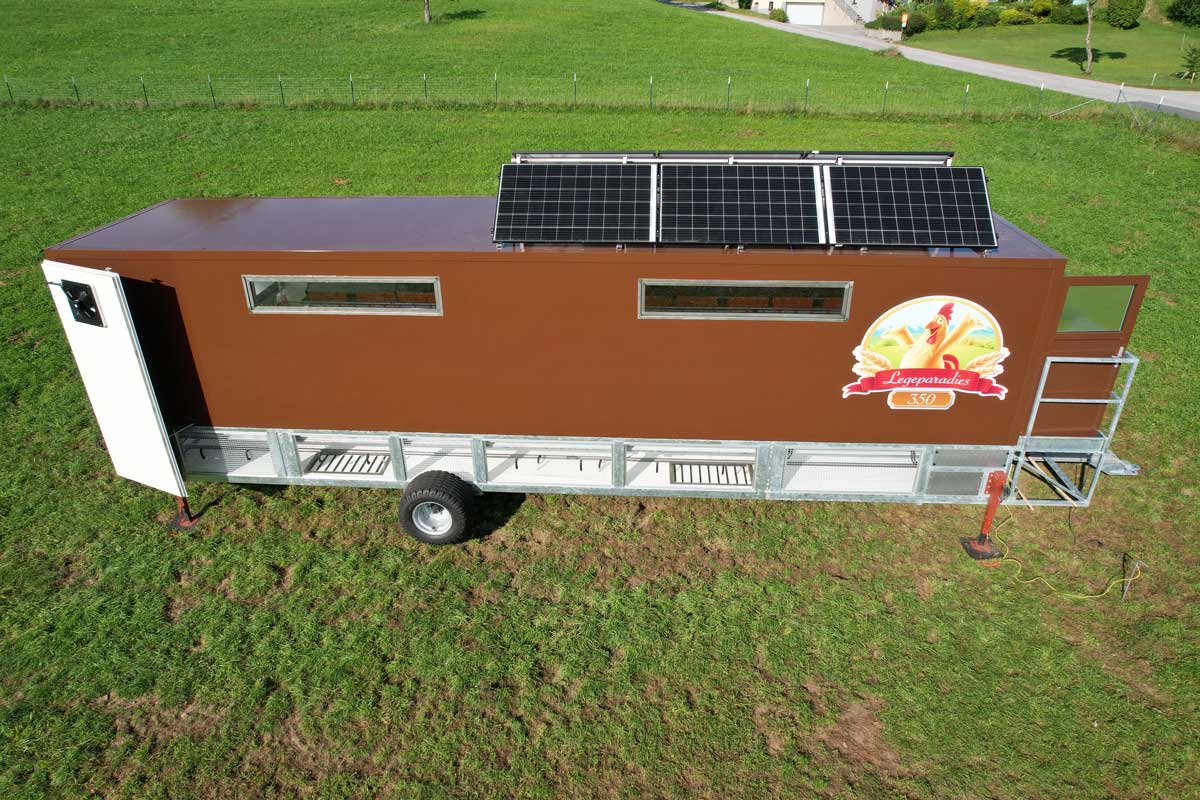
They are used for cabin walls and roofs, floors, vehicle roofs, as well as for equipment and body structures.

Are inserts or special cut-outs possible?

Yes. Inserts such as wood, aluminum profiles, PVC or PET rigid foam can be integrated. Custom formats and special cut-outs are produced using our CNC machining centers.

How should the elements be stored?

The elements should be stored flat on pallets in an indoor storage area. High point loads must be avoided.

Can GRP surfaces be repaired?

Yes, repairs are generally possible. Suitable repair instructions can be requested directly from Design Composite.

Does Design Composite build complete superstructures or containers?

No. We specialize in the production of smart lightweight elements and supply them to the construction and vehicle industries.

Does Design Composite offer profile solutions?

No. Most projects use customer-owned profiles, and a broad selection of standard profile solutions in different thicknesses is available on the market.

We produce sustainably.

Sustainability & ESG – Innovation for a Future-Ready Economy

Sustainability & ESG

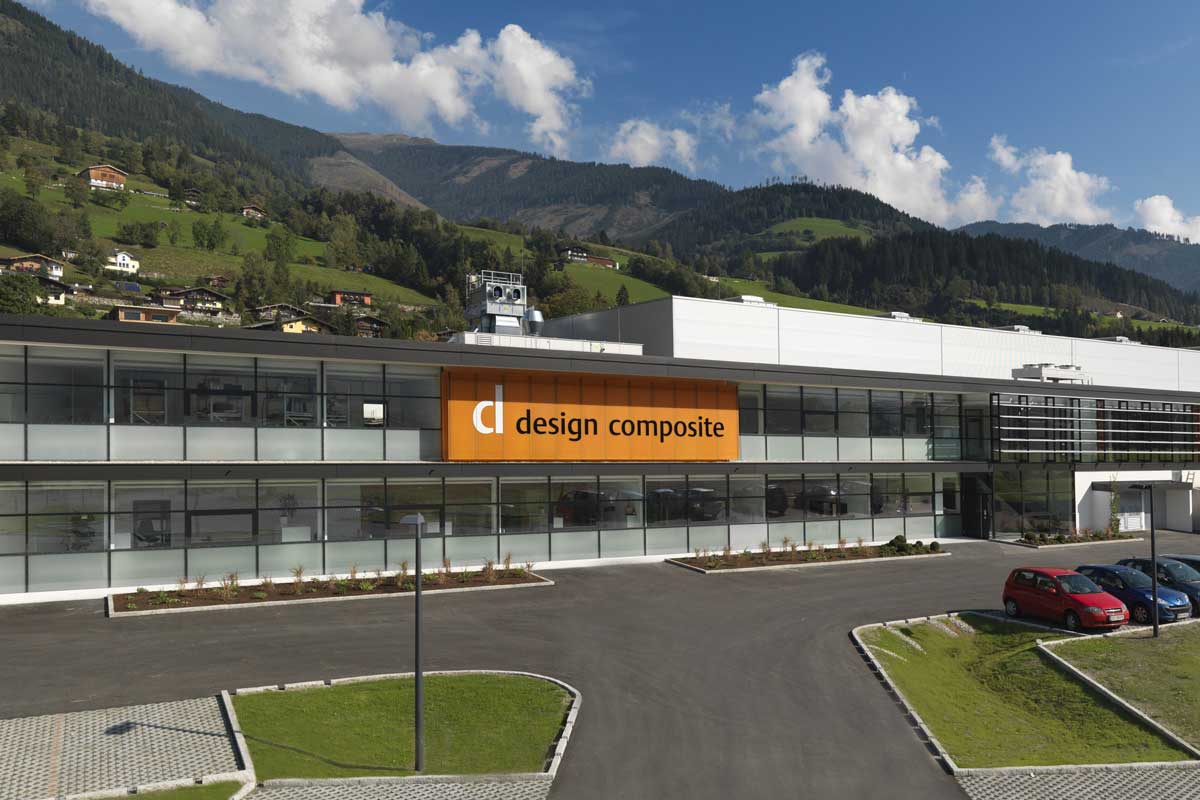
The location of our company inspires the entire team every day to actively contribute to reducing environmental pollution. Surrounded by unspoiled mountains and meadows, design composite relied on state-of-the-art ecological construction methods when building its new production facility in the Salzburg region of Pinzgau.
The measures implemented have resulted in a positive energy balance and enabled the sustainable reduction of a calculated CO₂ emission equivalent of 140 tons per year.

For us, sustainability is more than a goal – it is an integral part of our corporate strategy.
Through innovative technologies, a responsible supply chain, and a clear ESG focus, we develop sustainable solutions that meet the requirements of tomorrow.

Sustainability at the Niedernsill Site
  • 95% renewable energy (Scope 1 and 2 in accordance with GHG Protocol guidelines) for climate-friendly production

  • Attractive working conditions for dedicated employees

  • Active support of regional initiatives

Innovation & Sustainable Supply Chain
  • Development of smart solutions in close collaboration with customers and suppliers

  • Circular-ready products

  • Continuous advancement of sustainable product innovations

94% RENEWABLE ENERGY IN SCOPE 1 & 2 (LT GHG) NO FOSSIL FUELS SLIP-RESISTANT READY TO INSTALL ELECTRIC VEHICLE FLEET WORKING WITH FRIENDS SUSTAINABLE LARGE-FORMAT INSULATING INDIVIDUAL 100% RENEWABLE ELECTRICITY ULTRA-LIGHT STIFF HIGH-STRENGTH 202 KWP PHOTOVOLTAIC SYSTEM PRODUCTION HEAT RECOVERY FOR HEATING PASSIVE HOUSE BUILDING STANDARD
94% RENEWABLE ENERGY IN SCOPE 1 & 2 (LT GHG) ELECTRIC VEHICLE FLEET NO FOSSIL FUELS SLIP-RESISTANT 100% RENEWABLE ELECTRICITY WORKING WITH FRIENDS HIGH-STRENGTH LARGE-FORMAT SUSTAINABLE ULTRA-LIGHT 202 KWP PHOTOVOLTAIC SYSTEM STIFF INDIVIDUAL INSULATING READY TO INSTALL PASSIVE HOUSE BUILDING STANDARD PRODUCTION HEAT RECOVERY FOR HEATING

ESG brochure

Design Composite GmbH

Gewerbegebiet Lengdorf 4
5722 Niedernsill
Austria

+43 6548 203 970

info@design-composite.com

Design Composite GmbH

Gewerbegebiet Lengdorf 4
5722 Niedernsill
Austria

+43 6548 203 970